
Winter in the Baltics: Essential Travel Tips, Must-Know Advice & Things to Do
Winter in the Baltics: Essential Travel Tips, Must-Know Advice & Things to Do
Winter transforms the Baltic countries into something special. Historic old towns become beautifully atmospheric under snow, Christmas markets fill city squares with lights, cafés become cosy retreats, and forests and frozen landscapes offer a completely different way to experience Northern Europe.
If you’re planning a winter holiday in Latvia, Estonia or Lithuania, a little preparation goes a long way. The days are shorter, temperatures can change quickly, and snow and ice can make travelling different from a summer trip.
But don’t let the cold put you off. With the right clothes, realistic expectations and a good itinerary, winter in the Baltics can be one of the most memorable times of the year to visit.
Here are the most important things to know — plus the experiences you shouldn’t miss.
1. Be prepared for real winter weather
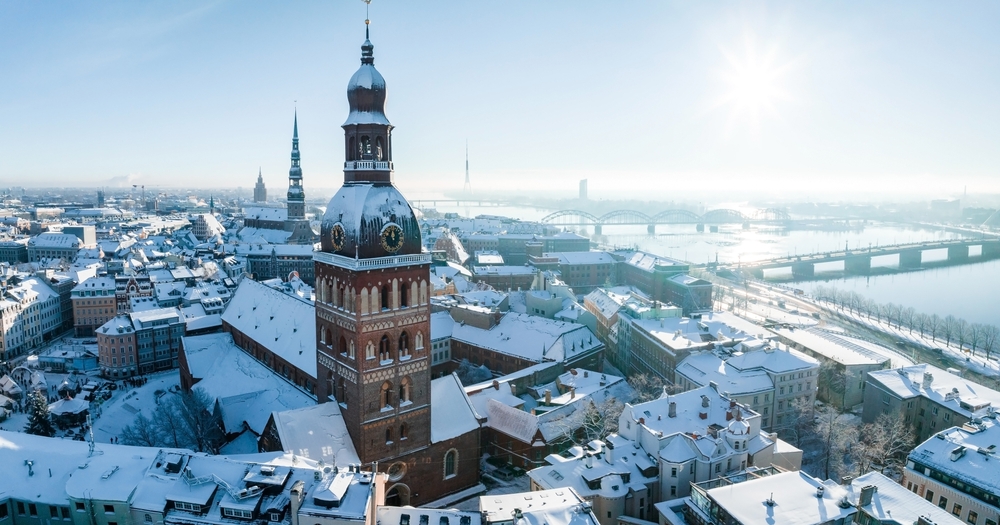
Baltic winters can be cold. December, January and February are typically the heart of the winter season, with temperatures often around or below freezing.
However, conditions vary considerably from year to year. You might experience fresh snow and crisp sunshine one day and wet, windy weather the next.
The key is to dress for changing conditions rather than for a specific temperature.
What to wear in the Baltics in winter
Think layers:
- A warm, preferably windproof winter coat
- Thermal base layers
- Warm sweater or fleece
- Waterproof winter boots with good grip
- Thick socks
- Gloves
- Hat that covers your ears
- Scarf or neck warmer
- Waterproof trousers if you plan outdoor activities
Good footwear is particularly important. Snow can melt during the day and freeze again at night, creating slippery pavements.
Comfortable, waterproof shoes can make a bigger difference to your trip than almost anything else you pack.
2. Expect short daylight hours
One of the biggest differences between Baltic winter and summer is daylight.
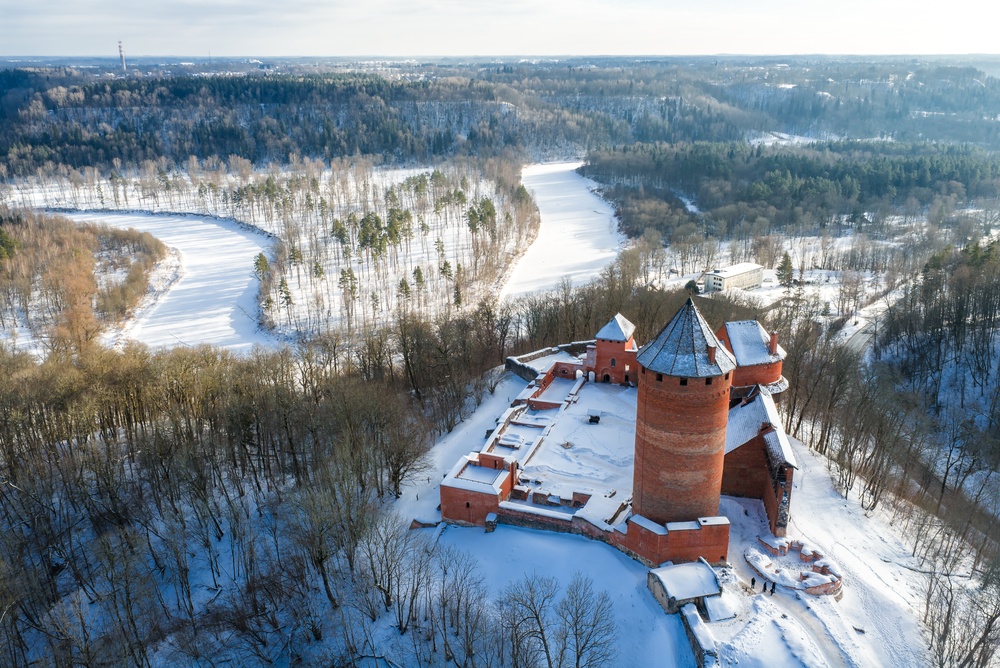
In December, daylight hours are particularly short. This doesn’t mean you can’t enjoy sightseeing — it simply means you should plan your days differently.
Start outdoor sightseeing relatively early and leave time in the afternoon and evening for:
- Museums
- Restaurants
- Cafés
- Christmas markets
- Concerts and cultural events
- Spa experiences
- Evening walks through illuminated old towns
The shorter days can actually make Baltic cities feel more magical. Historic streets, churches and squares illuminated after dark create a completely different atmosphere.
3. Riga is especially atmospheric in winter
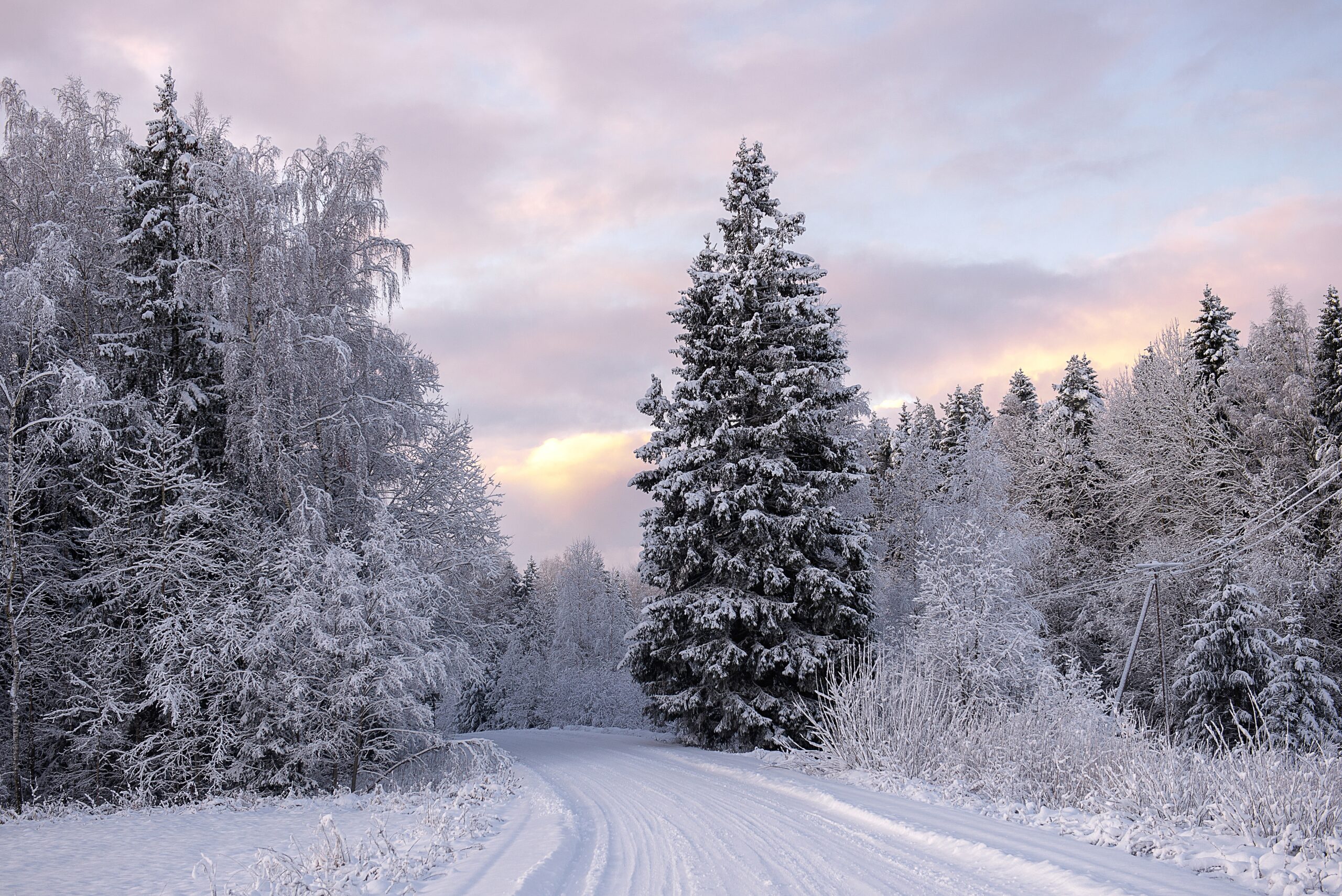
For a first Baltic winter trip, Riga is an excellent starting point.
Latvia’s capital combines a compact medieval Old Town with Art Nouveau architecture, excellent restaurants, museums and plenty of cosy places to escape the cold.
Things to do in Riga in winter
Don’t miss:
- Riga Old Town and its historic squares
- Riga Cathedral and St. Peter’s Church
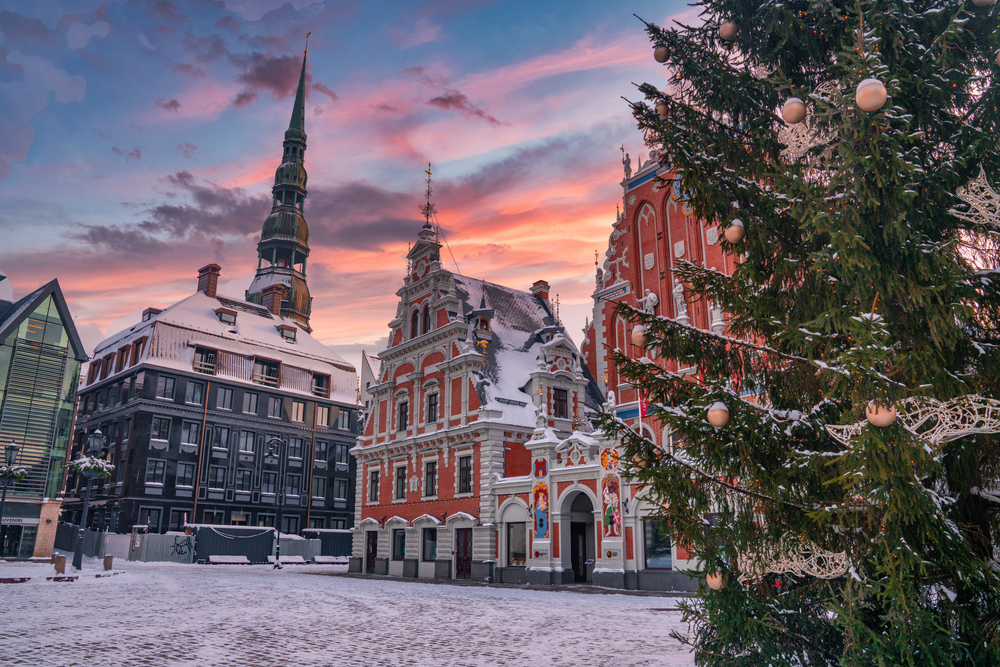
- The House of the Blackheads
- The Art Nouveau district
- Central Market
- Latvian museums and cultural attractions
- Winter cafés and traditional Latvian restaurants
- Christmas markets when they are operating
- An evening walk through the illuminated Old Town
A guided walking tour is particularly useful in winter because you can combine the city’s main landmarks with local history and stories without spending hours trying to navigate unfamiliar streets yourself.
4. Don’t try to see everything in one day
The Baltic states are geographically close, but that doesn’t mean you should rush through them.
A common mistake is trying to visit Riga, Tallinn and Vilnius in just a couple of days.
Instead, consider giving each capital enough time to experience it properly.
Riga
Allow at least 2–3 days to explore the city and its surroundings.
Tallinn
Tallinn’s medieval Old Town is compact and easy to explore on foot. Winter gives it a particularly atmospheric character.
Vilnius
Vilnius combines a beautiful historic centre with a lively cultural and food scene and is worth more than a quick stop.
If you have more time, add smaller towns, castles, nature destinations or regional experiences to your itinerary.
5. Visit the Baltic Christmas markets
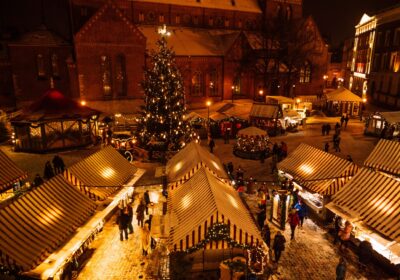
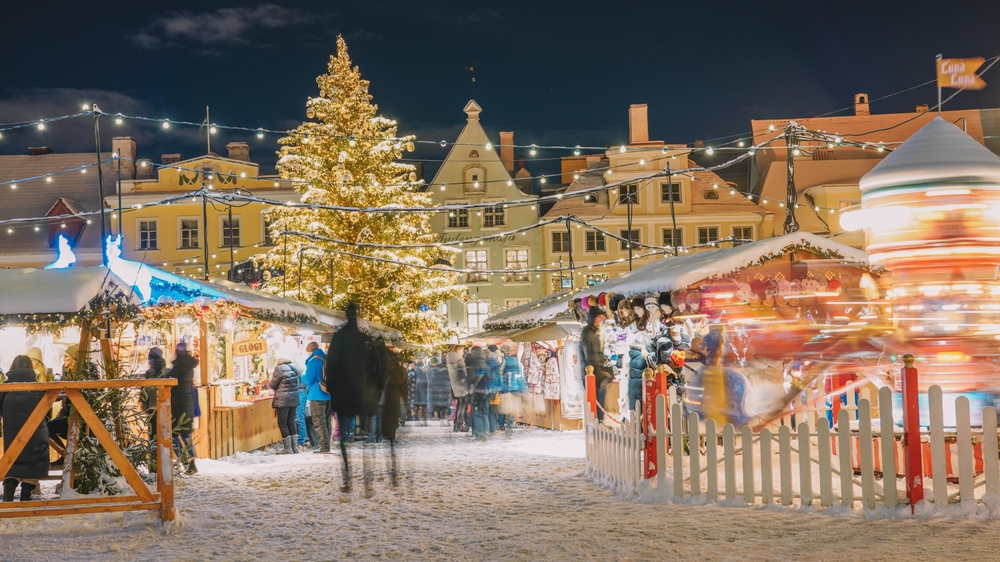
If you’re travelling in late November or December, Christmas markets are one of the best reasons to visit the Baltics.
Depending on the city and year, you can find:
- Handmade gifts
- Local crafts
- Warm drinks
- Traditional winter food
- Gingerbread and sweets
- Christmas decorations
- Seasonal entertainment
Riga, Tallinn and Vilnius each have their own atmosphere, so visiting more than one can be a great addition to a Baltic itinerary.
Tip: Christmas market dates and opening hours change each year, so check the official information before travelling.

6. Try traditional Baltic winter food
Cold weather is the perfect excuse to explore Baltic cuisine.
Look for hearty dishes featuring ingredients traditionally associated with the region, such as potatoes, rye bread, mushrooms, cabbage, pork, fish and seasonal vegetables.
And don’t leave without trying black bread, a Baltic staple that goes perfectly with soups, cheeses and other local dishes.
Winter is also a great time to discover the region’s cafés, bakeries and modern restaurants. After several hours outside, a warm meal and a cup of coffee can become one of the highlights of your day.
7. Take a day trip outside the capital
One of the best ways to experience winter in the Baltics is to leave the city.
From Riga, consider exploring destinations such as Sigulda, Cēsis and the Gauja region, depending on weather and seasonal conditions.
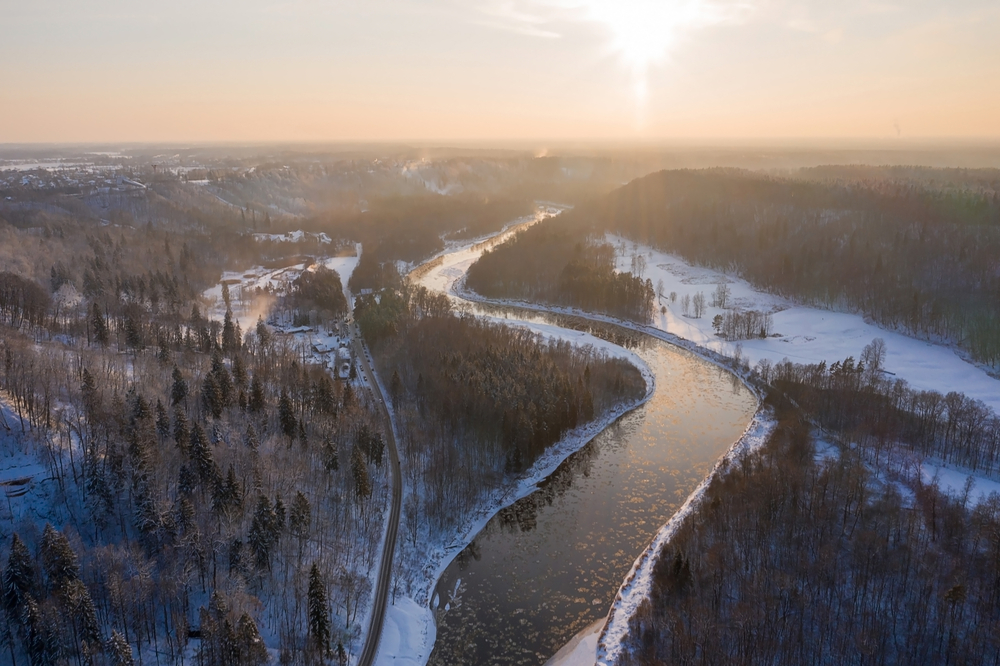
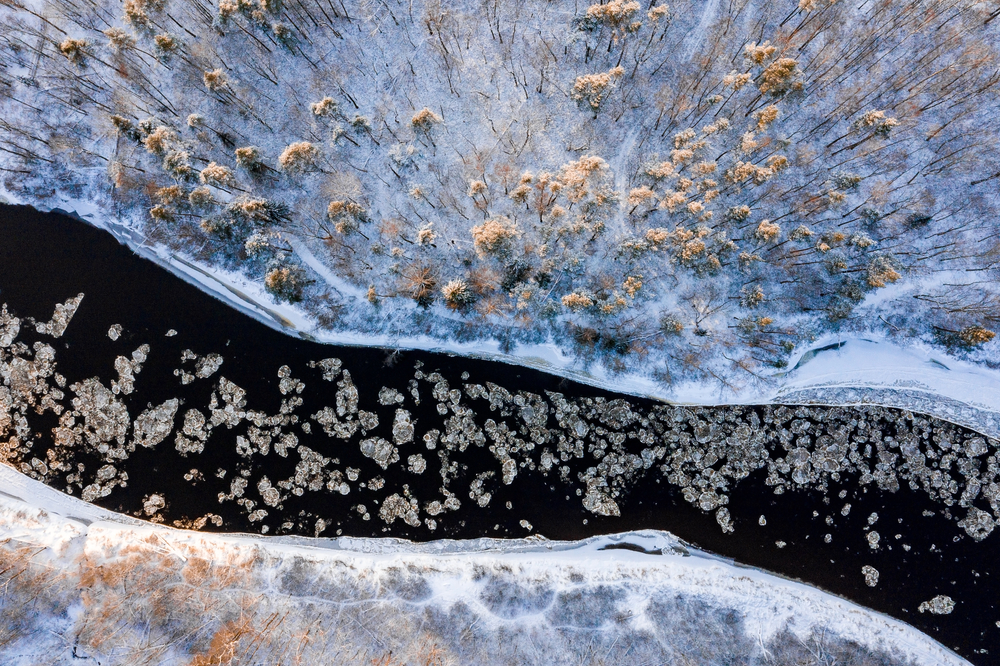
Winter landscapes can be spectacular: forests covered in snow, frozen rivers, historic castles and quiet country roads create a side of Latvia that you won’t see from the city centre.
For outdoor trips, always check weather conditions and daylight hours before setting out.
8. Don’t forget about sauna and spa culture
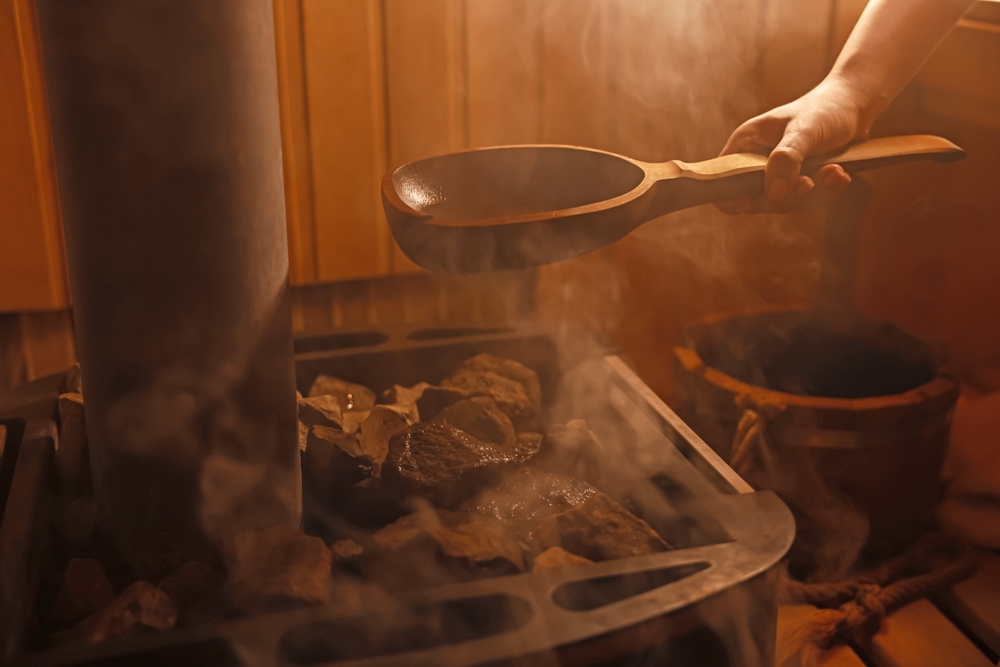
After a day outside in freezing temperatures, a sauna or spa can be exactly what you need.
Sauna culture is particularly important in Estonia and Finland, but relaxing spa experiences can be found throughout the Baltic region.
A winter trip is a great opportunity to combine sightseeing with wellness — especially if you’re travelling for several days.
9. Public transport is useful, but plan for winter conditions
The capitals are generally easy to explore without a car, and public transport can be very useful.
However, winter weather can occasionally affect roads, trains and buses.
Keep some flexibility in your schedule, especially if you’re planning:
- Long-distance journeys
- Rural excursions
- Airport transfers
- Day trips
- Activities dependent on weather
If you’re travelling between the three Baltic capitals, compare travel times and schedules in advance rather than assuming that every journey will be quick.
10. Keep your itinerary flexible
Winter travel rewards flexibility.
Snowstorms, freezing rain, strong winds or sudden temperature changes can affect outdoor activities.
Instead of planning every hour, choose a few must-see attractions and leave some space for spontaneous discoveries.
A good winter itinerary might look like:
Morning: sightseeing and walking tour
Afternoon: museum, market or café
Evening: restaurant, Christmas market or cultural event
This gives you a comfortable balance between being outdoors and staying warm.
11. Check the weather before every outdoor activity
Winter conditions can change quickly, particularly outside the cities.
Before heading into nature, check:
- Temperature
- Wind
- Snow and precipitation
- Road conditions
- Daylight hours
- Local warnings
- Opening hours of attractions
If you’re visiting a natural area, wear appropriate footwear and avoid taking unnecessary risks on frozen lakes, rivers or other bodies of water.
Never assume that ice is safe simply because it looks frozen.
12. Bring a power bank and protect your phone
Cold weather can reduce battery performance.
If you’re using your phone for navigation, photography and tickets throughout the day, a small power bank is a useful addition to your winter packing list.
Keep your phone somewhere reasonably protected from extreme cold when you’re not using it.
13. Winter can be a great time for a city break
One of the biggest advantages of visiting the Baltics in winter is the atmosphere.
Compared with the busy summer season, winter can feel slower and more intimate. You can spend the morning exploring historic streets, warm up in a café, visit a museum in the afternoon and finish the day with a traditional dinner.
For travellers who enjoy culture, architecture, food and atmosphere, winter can be an excellent season.
What to Do in the Baltics in Winter: Our Must-Do List
If you only remember a few things from this guide, make them these:
- Explore Riga Old Town after dark
- Visit a Baltic Christmas market in December
- Try traditional Latvian, Estonian or Lithuanian food
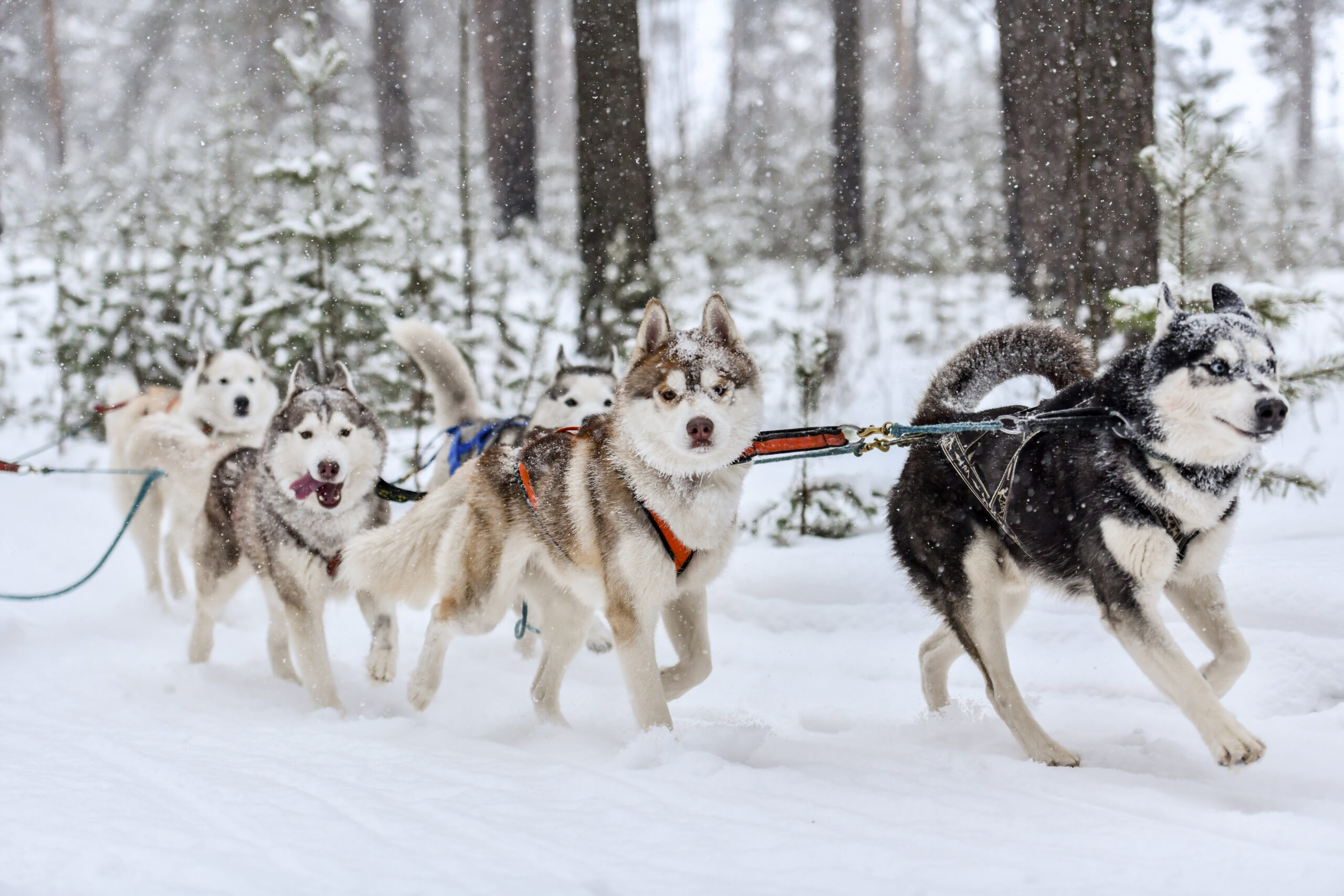
- Take a winter day trip into the countryside
- Explore the historic centres of Riga, Tallinn and Vilnius
- Visit museums and cultural attractions
- Warm up in a cosy local café
- Experience a sauna or spa
- Take plenty of winter photographs
- Leave enough time to enjoy the destination instead of rushing between cities
The Best Time to Visit the Baltics in Winter
There is no single “best” winter month — it depends on what you want.
December is ideal for Christmas atmosphere, markets and festive city breaks.
January can offer a quieter experience and genuine winter conditions, although daylight hours are short.
February can be a good compromise between winter atmosphere and gradually increasing daylight.
If snow is particularly important to you, remember that weather is unpredictable. A Baltic winter can be snowy, rainy, icy or relatively mild depending on the year.
Is Winter in the Baltics Worth It?
Absolutely — if you’re prepared for the weather.
The Baltics in winter offer a different experience from the warmer months: historic architecture framed by snow, glowing city lights, cosy cafés, seasonal food, Christmas markets and peaceful landscapes.
And if you base yourself in Riga, you can combine a comfortable city break with day trips and experiences across Latvia.
Ready to discover the Baltics this winter?
Explore Riga and Latvia with RigaTours.lv and let local guides help you discover the history, culture and hidden corners of the region — without having to worry about planning every detail yourself.
SEO FAQ
Is it worth visiting the Baltics in winter?
Yes. Winter is an excellent time to visit the Baltic countries if you enjoy historic cities, Christmas markets, local food, museums and winter landscapes. Just make sure you pack appropriately for cold and changeable weather.
How cold are the Baltics in winter?
Temperatures vary by location and year, but winter can regularly bring freezing temperatures, snow, wind and icy conditions. Check the forecast shortly before travelling and dress in layers.
Which Baltic country is best to visit in winter?
All three have something different to offer. Latvia is particularly convenient for exploring Riga and its surrounding nature, Estonia is known for Tallinn’s atmospheric medieval centre, and Lithuania offers the historic charm and cultural life of Vilnius.
What should I pack for a Baltic winter?
Pack a warm winter coat, thermal layers, waterproof footwear with good grip, warm socks, gloves, a hat and scarf. A power bank is also useful because cold temperatures can affect phone batteries.
Is Riga worth visiting in winter?
Yes. Riga’s historic centre, Art Nouveau architecture, museums, restaurants and seasonal events make it a strong winter city-break destination.
Can I travel between Riga, Tallinn and Vilnius in winter?
Yes. The three Baltic capitals are connected by road and public transport. However, winter weather can occasionally cause delays, so allow some extra time and check schedules before travelling.
Does it snow in Riga in winter?
Snow is common during winter, but it is not guaranteed. Weather varies from year to year, so visitors should be prepared for both snowy and wet conditions.